

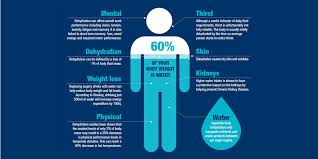
Hydration needs can vary depending on a range of everyday factors, including environment, routine, and personal habits. Being aware of these influences can help individuals make more informed decisions about their fluid intake.
Environmental conditions play a significant role. Warmer weather, dry air, or indoor heating can increase fluid needs, while cooler conditions may reduce the sensation of thirst. Adjusting water intake based on surroundings can help maintain balance.
Daily routines also have an impact. Busy schedules, long work hours, or frequent travel may make it easier to forget to drink fluids regularly. Creating structured moments for hydration—such as scheduled breaks—can help address this challenge.
Work environments can vary widely as well. For example, individuals working outdoors or in physically demanding roles may need to pay closer attention to hydration than those in more controlled indoor settings.
Personal habits, including caffeine consumption or meal timing, can also influence hydration patterns. Being mindful of these factors allows for small adjustments that support overall fluid balance.
Developing awareness is an important step. Rather than following rigid guidelines, observing how different situations affect comfort and well-being can help individuals adapt their habits over time.
Hydration is not a one-size-fits-all concept. By considering lifestyle, environment, and daily routines, individuals can create a flexible approach that supports consistent and mindful hydration.