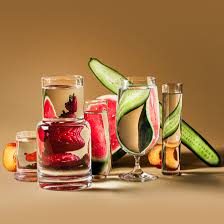

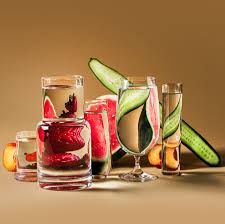
Hydration is not only about drinking water—it is also influenced by the foods we eat. Many everyday foods contain a significant amount of water and can contribute to overall fluid intake as part of a balanced diet.
Fruits and vegetables are among the most common sources of water-rich foods. Options like cucumbers, oranges, berries, and leafy greens naturally contain high water content. Including these foods in meals and snacks can complement regular fluid intake.
Balanced meals can also play a role in maintaining hydration. Eating at regular intervals encourages individuals to drink fluids alongside food, helping to distribute intake throughout the day. This approach can feel more natural than trying to consume large amounts of water at once.
In addition to water, other beverages may contribute to daily fluid intake. Options such as herbal teas or diluted beverages can provide variety, which may make hydration more enjoyable for some people. Choosing options with moderate levels of added sugar or caffeine is often recommended as part of a balanced approach.
It is also helpful to be mindful of how certain foods and drinks affect thirst. For example, salty or heavily processed foods may increase the desire for fluids, while lighter meals may feel more hydrating on their own.
Rather than focusing on strict rules, a flexible approach that includes both fluids and water-rich foods can support a steady and comfortable level of hydration. This balanced perspective allows individuals to adapt their habits to personal preferences and lifestyles.